
Pest control is a critical component of maintaining safe, efficient, and compliant warehouse and storage facility operations. When left unmanaged, even a small infestation can quickly escalate into a costly operational problem.
The risks associated with pests in commercial storage environments extend far beyond simple inconvenience. This article aims to provide warehouse owners, managers, and facility operators with a clear, practical guide to preventing and controlling pests in storage environments.
Pest Control for Warehouses & Storage Facilities
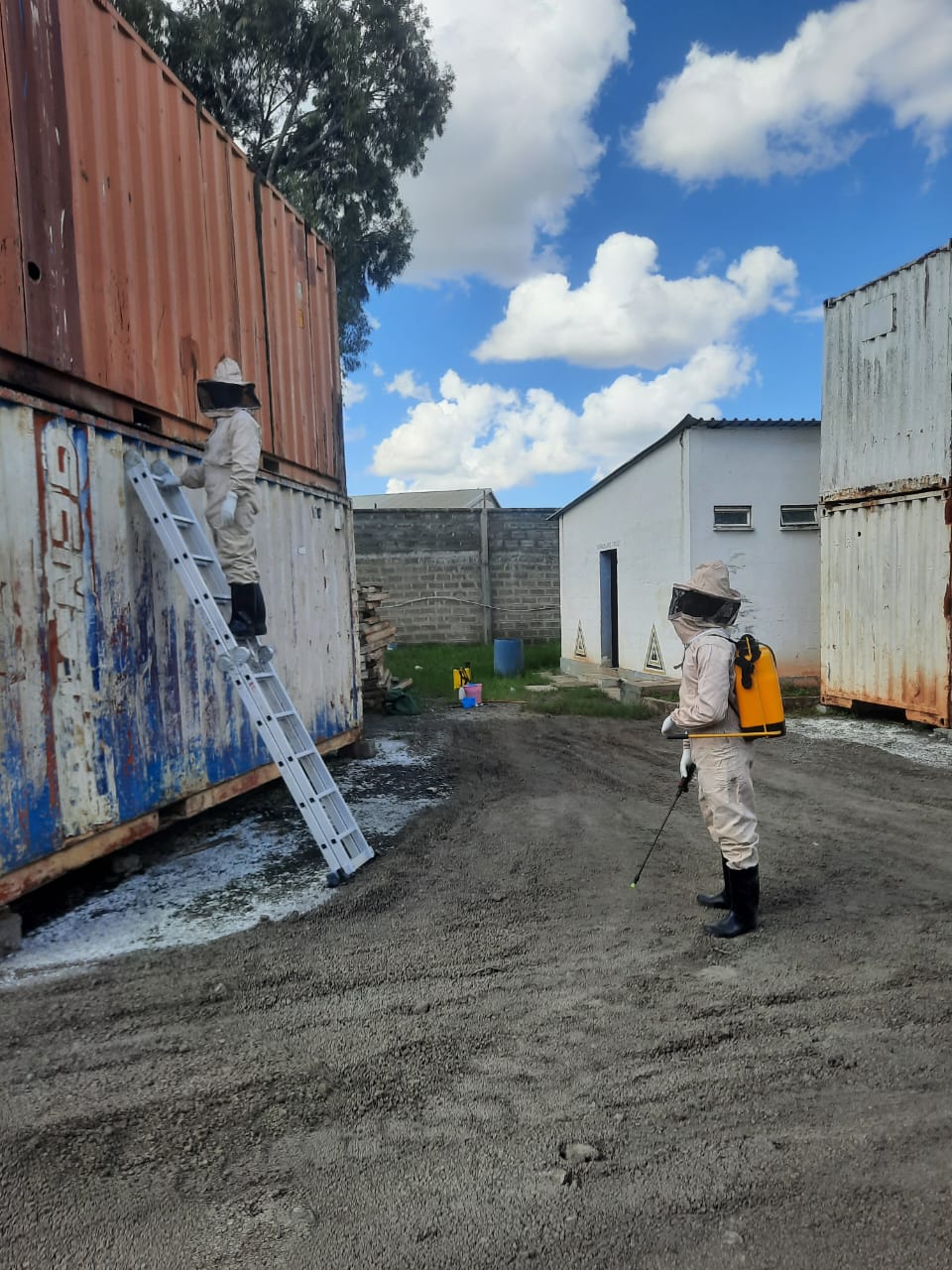
Common Pests Found in Warehouses & Storage Facilities
- Rodents (Rats & Mice)
- Insects
- Cockroaches
- Beetles & Moths (Stored-Product Pests)
- Ants
- Termites
- Birds
Why Warehouses Are Vulnerable to Pest Infestations
Warehouses provide ideal conditions for pests to live, feed, and reproduce. Several unique factors make them particularly vulnerable.
Large Spaces With Many Hiding Areas
Warehouses contain high storage racks, stacked pallets, machinery, and numerous dark corners—creating perfect hiding spots for pests. These concealed areas allow rodents and insects to build nests and move undetected.
Constant Movement of Goods
Frequent inbound and outbound shipments increase the risk of pests being introduced from suppliers. Pests often travel inside containers, boxes, packaging materials, or on delivery vehicles.
Environmental Conditions
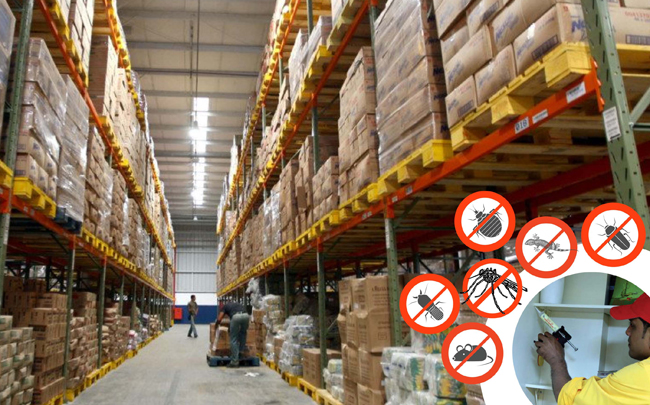
Warehouses often provide temperature- and humidity-controlled environments that unintentionally support pest survival. Combined with available food sources—such as food products, packaging residue, or employee break areas—these conditions support long-term pest activity.
Structural Weaknesses
Many facilities have small openings that pests exploit, including:
-
Gaps under loading dock doors
-
Cracks in walls or flooring
-
Open roof vents
-
Damaged seals around windows and entry points
Even gaps as small as 6 mm can allow mice to enter.
Loading Docks & Entry Points
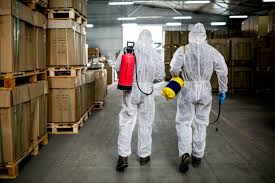
Loading docks are the busiest intersection between the warehouse and the outside environment, making them prime entry points for pests.
-
Open doors allow rodents, birds, and insects to slip inside.
-
Shipments can introduce pests hidden in packaging or pallets.
-
Gaps under dock doors and worn-out seals provide easy access.
Regular sealing, fast-style roll-up doors, and strict inspection of incoming goods can significantly reduce pest intrusion.
Break Rooms & Waste Disposal Zones
Employee areas often provide food scraps, crumbs, and moisture—perfect attractants for pests.
-
Unsealed trash bins draw flies, ants, and rodents.
-
Spills or leftover food encourage cockroach activity.
-
Waste collection points outdoors can also attract birds and rodents.
Maintaining strict sanitation and daily waste removal is essential.
Signs of Pest Activity to Watch For
Early detection is one of the most effective ways to prevent a minor pest issue from becoming a large-scale infestation. Warehouse managers should train employees to recognize common warning signs.
Droppings, Nesting Materials, Gnaw Marks
Rodent droppings are often the first sign of activity. Gnaw marks on packaging, wiring, or wooden pallets indicate the presence of rats or mice. Shredded paper, insulation, or fabric may signal nesting.
Damaged Packaging or Contaminated Goods
Torn bags, holes in boxes, and product spillage can indicate insect or rodent activity. Stored-product pests often leave fine powder or webbing inside infested food items.
Grease Marks and Tracks
Rodents frequently travel along walls, leaving behind dark, greasy rub marks. Footprints or tail marks in dusty areas are also common indicators of movement.
Live or Dead Insects
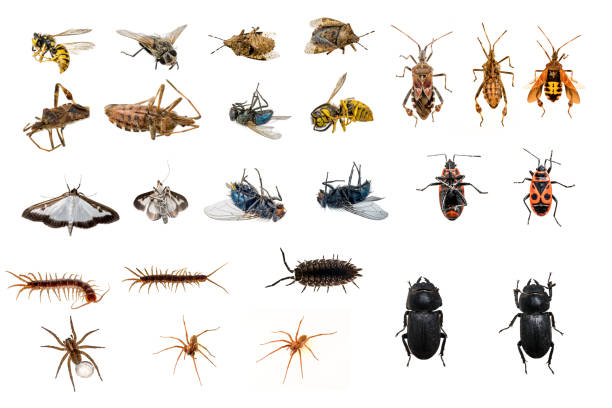
Seeing beetles, moths, flies, or cockroaches—whether alive or dead—suggests an active infestation or an entry point nearby. Piles of shed insect skins or wings are also red flags.
Unexplained musty or ammonia-like smells often indicate rodent urine. Scratching noises behind walls, ceilings, or storage racks may also point to nesting rodents or birds.
Prevention Strategies
Preventing pest infestations in warehouses begins with proactive measures. Strong sanitation practices, structural upkeep, and employee involvement all play essential roles in keeping pests out and maintaining compliance with safety standards.
Good Sanitation Practices
Maintaining a clean warehouse is one of the most effective ways to discourage pests.
-
Regular cleaning schedules: Routine sweeping, mopping, and cleaning of both high-traffic and low-traffic areas help remove food residues, dust, and clutter that attract pests.
-
Waste management: All trash bins should be sealed, emptied daily, and placed away from loading areas where pests can easily enter. Outdoor waste areas should also be monitored for rodent and bird activity.
-
Spill control: Any spills—especially food products, powders, or liquids—should be cleaned immediately. Even small residues can attract ants, cockroaches, or stored-product insects.
Structural Maintenance
A secure building is essential for preventing pests from entering and settling inside.
-
Sealing gaps: Close cracks, crevices, and holes in walls, floors, and ceilings. Even tiny openings can serve as entry points for insects and rodents.
-
Repairing doors: Ensure dock doors, loading bay doors, and entry doors close tightly. Damaged seals or misaligned frames should be fixed promptly.
-
Screening vents: Install mesh screens on air vents and openings to prevent birds, rodents, and insects from entering while still allowing proper airflow.
Proper Storage Techniques
Smart storage practices reduce hiding spots and eliminate conditions that pests need to survive.
-
Using pallets: Keep products elevated on pallets to avoid direct floor contact, reducing moisture buildup and access for crawling pests.
-
Maintaining distance from walls: Leave at least 45–60 cm of space between storage racks and walls to allow inspections and cleaning.
-
Rotating stock: Implement the FIFO (First In, First Out) principle to prevent long-term stagnation, which can attract stored-product pests.
Employee Training
Employees play an important role in early detection and prevention.
-
Identifying early signs: Staff should be trained to recognize droppings, damaged packaging, insect activity, or unusual odors.
-
Reporting procedures: Create a clear reporting system so employees can quickly notify supervisors or pest control providers about potential issues.
Integrated Pest Management (IPM) Programs
IPM is the most effective and sustainable approach to warehouse pest prevention.
-
Monitoring traps: Use rodent bait stations, insect monitors, and glue boards to track activity.
-
Regular inspections: Scheduled assessments by trained personnel help detect issues before they escalate.
-
Data-driven control: Collected data—such as trap catches, pest sightings, and environmental conditions—guides targeted interventions and long-term improvements.
Pest Control Treatments Suitable for Warehouses
When prevention isn’t enough, targeted pest control treatments are necessary. Warehouses require safe, effective methods that minimize disruptions to operations while ensuring regulatory compliance.
Rodent Control
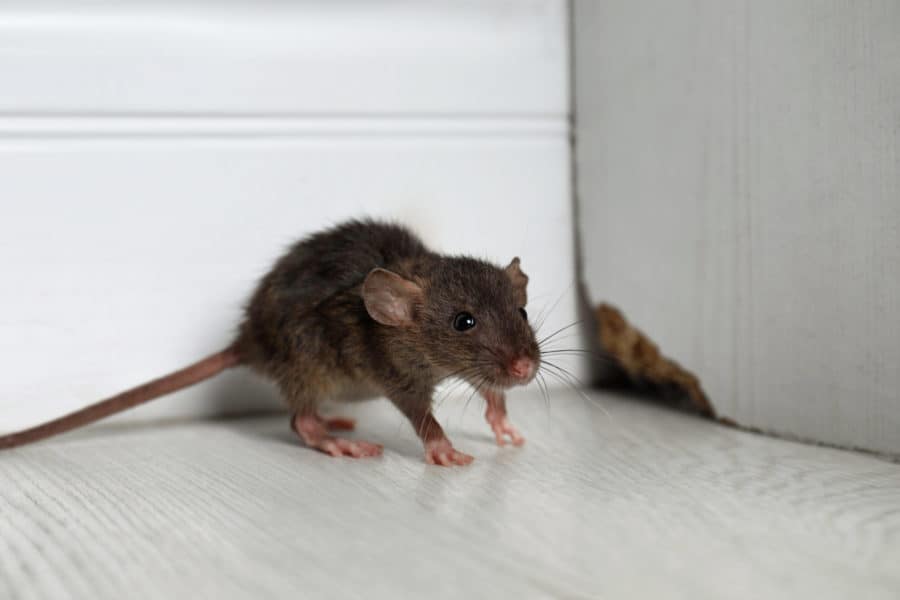 Effective rodent management combines elimination with exclusion.
-
Bait stations: Tamper-proof outdoor and indoor bait stations help reduce rodent populations safely and efficiently.
-
Traps: Snap traps, multi-catch traps, and electronic traps provide non-chemical control options inside sensitive areas.
-
Exclusion methods: Blocking entry points, installing door sweeps, and sealing utility penetrations prevent rodents from entering the facility.
Insect Control
Different insect species require different control methods, especially in food or pharmaceutical storage.
-
Residual treatments: Targeted application of approved residual insecticides can eliminate crawling insects such as cockroaches and ants.
-
Fogging & fumigation: Fast-acting fogging or professional fumigation may be required for severe infestations of beetles, moths, or other stored-product pests. These treatments penetrate deep into stored goods and hard-to-reach areas.
-
Heat treatments: Heat is a non-chemical option effective against bed bugs and some stored-product insects. Raising the temperature in affected areas kills pests at all life stages.
Bird Control
Managing birds is crucial to preventing contamination and maintaining hygiene.
-
Netting: Bird netting blocks roosting and nesting in rafters, ceilings, and loading bays.
-
Spikes: Installing spikes on ledges and roof edges discourages birds from landing.
-
Ultrasonic devices: In open warehouses, ultrasonic or visual deterrent systems can reduce bird presence without harming them.
Working With Professional Pest Control Companies
Partnering with a qualified pest control company is essential for managing large commercial environments like warehouses. Professionals bring specialized knowledge, advanced equipment, and adherence to safety standards that ensure effective and compliant pest management.
Benefits of Hiring Experts
Professional pest control providers offer several advantages:
-
Advanced tools & technologies: Experts use commercial-grade monitoring devices, environmentally friendly treatments, and targeted solutions not typically available to the public.
-
Regulatory compliance: They understand industry-specific standards—such as HACCP, Geoffe MitchP, and local health regulations—ensuring your facility meets inspection and audit requirements.
-
Improved safety: Professionals apply treatments safely, minimizing risks to employees, stored goods, and equipment while ensuring proper chemical handling and ventilation.
How to Choose a Provider
Choosing the right pest control company helps guarantee long-term results and peace of mind.
-
Certifications: Look for licensed and accredited providers with certifications related to food safety or commercial pest management.
-
Experience in warehouse environments: Not all providers are familiar with large-scale storage systems. Choose companies that understand your industry’s unique challenges.
-
Custom service plans: A reliable provider offers tailored solutions—including inspection frequency, monitoring devices, reporting formats, and emergency response protocols.
Conclusion
Effective pest control is essential for maintaining the safety, efficiency, and reputation of warehouses and storage facilities. Pests can cause costly product damage, disrupt operations, and violate regulatory standards—but with proactive prevention, routine monitoring, and support from professional pest control experts, these risks can be minimized. Geoffe Mitch Fumigation pest control offers the best solutions for all types of pest to safeguard your warehouse.