
Bed bug infestations have been on the rise. Among the most affected environments are hostels and apartment buildings, which offer ideal conditions for bed bugs to spread quickly. Even a single infested bed or piece of luggage can introduce bed bugs into an entire building if not addressed promptly.
This article explores the key reasons bed bugs spread faster in shared and clustered living spaces, focusing on the unique challenges posed by hostels and apartments.
Why Bed Bugs Spread More in Hostels & Apartments
High Population Density
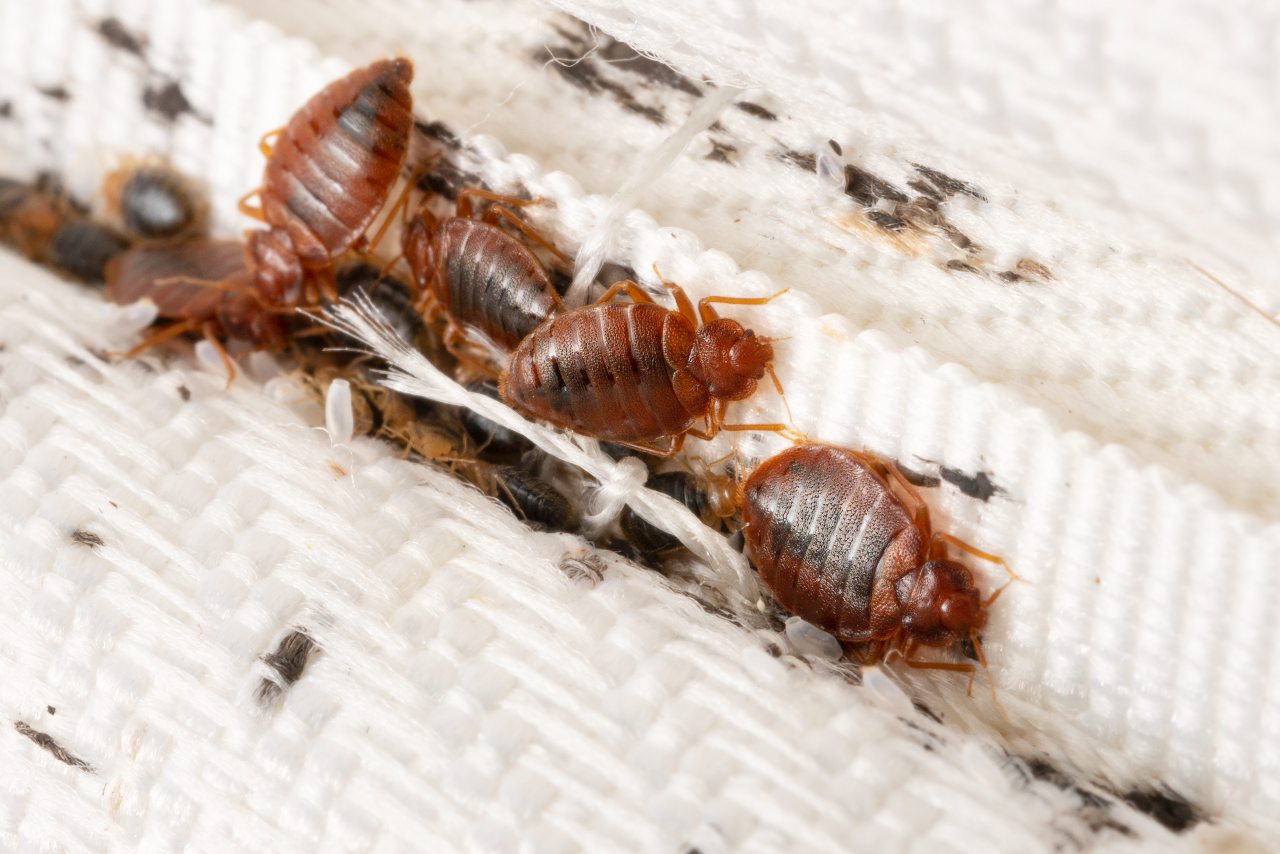
One of the primary reasons bed bugs spread rapidly in hostels and apartment buildings is frequent human turnover.
With guests arriving and departing almost daily, the risk of introducing bed bugs from infested luggage or clothing is high. A single visitor carrying bed bugs can quickly seed an infestation in a shared dorm room.
High turnover ensures that bed bugs always have access to new hosts, making it easier for populations to grow and move within the building.
More Hosts in Close Proximity
Bed bugs are experts at locating their next blood meal. In environments with many hosts in close quarters, such as dormitories or apartment clusters, the pests can easily travel short distances to reach new targets.

Rooms located next to or above infested spaces are at particular risk. The close proximity of multiple sleeping areas reduces the time and energy bed bugs need to find a host, allowing populations to expand more quickly than in single-family homes.
Wall Crevices, Electrical Outlets, and Pipes
Bed bugs are small, flat, and highly mobile, which allows them to exploit the built environment. In apartment buildings and hostels, tiny gaps in walls, electrical outlets, plumbing channels, and other structural crevices act as highways for these pests.
Bed bugs do not rely solely on people to move; they can crawl between rooms undetected. Even well-maintained properties with solid walls can have hidden routes that connect units, enabling infestations to spread silently.
Reused Mattresses or Bunk Beds
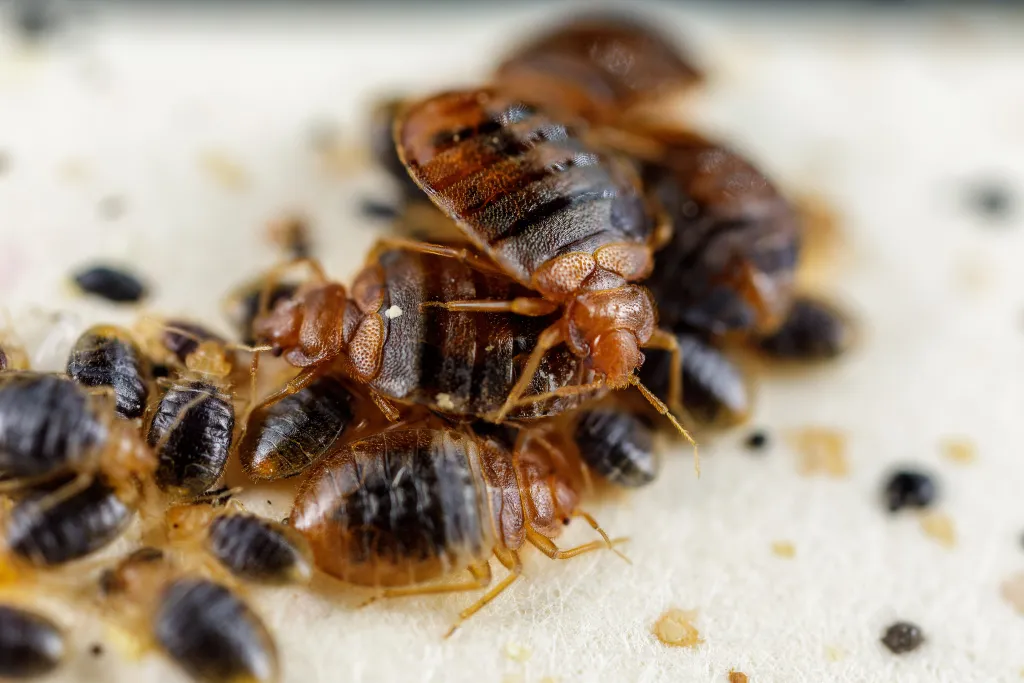
Hostels, in particular, often reuse mattresses, bunk beds, and bedding for years, accommodating numerous occupants over time. This repeated use increases the likelihood that bed bugs can establish themselves in furniture and persist unnoticed. Once infested, mattresses and bed frames become long-term reservoirs that are difficult to fully eradicate.
Frequent occupancy means more potential hosts for bed bugs in the same bed. Even with routine cleaning, pests can hide in seams, crevices, and bed joints, making detection challenging.
Shared Furniture
Shared areas such as lounges, sofas, lockers, and study rooms create transfer points for bed bugs. In apartments with communal spaces or hostels with common rooms, these pieces of furniture act as bridges, allowing pests to move from one occupant to another.
Guests or tenants may unknowingly carry bed bugs on personal belongings and deposit them on shared furniture. Over time, these high-traffic areas can become hubs for infestations, spreading bugs throughout the building.
Guests Don’t Recognize Early Signs
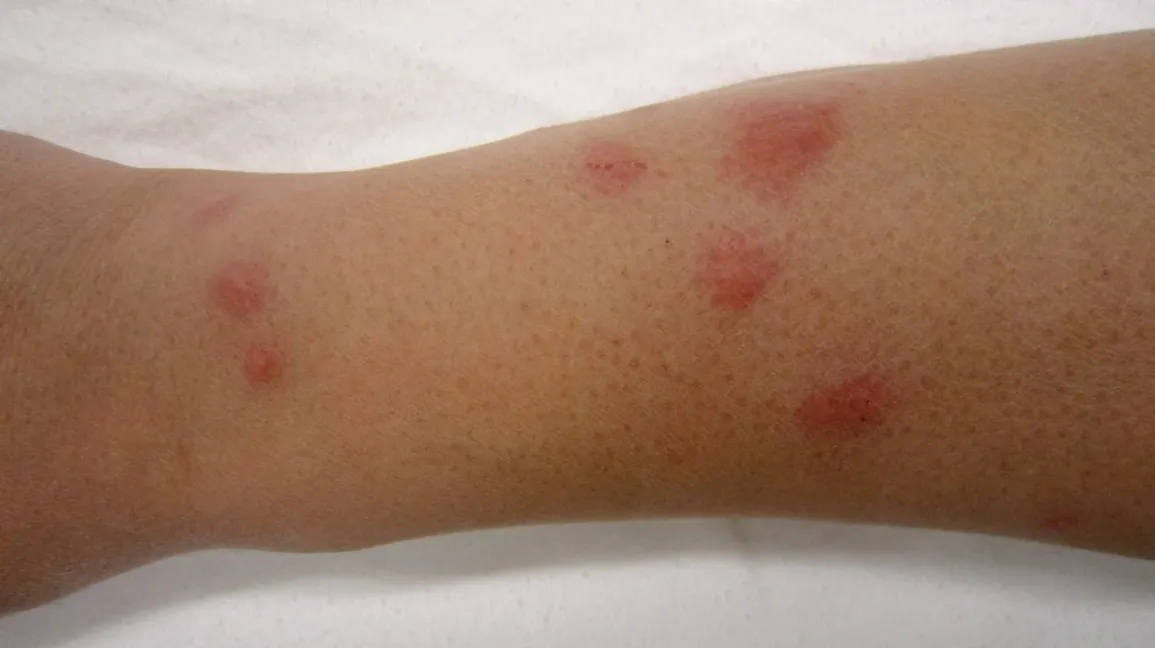
Temporary guests in hostels often fail to notice early indicators of bed bugs, such as small bite marks or tiny blood stains on bedding. Without awareness, infestations can remain hidden and worsen before anyone takes action.
In apartment buildings, some residents may ignore or downplay infestations due to fear of fines, eviction, or conflict with neighbors. This delay in reporting gives bed bugs time to multiply and spread to adjacent units.
Travel Luggage as a Vector
Bed bugs are notorious hitchhikers. They easily cling to luggage, backpacks, and clothing, traveling from one location to another. This makes hostels and apartments highly vulnerable as travelers introduce bed bugs from different cities, countries, or even continents.
Hostels attract a high volume of international and domestic travelers, increasing the likelihood of introducing bed bugs from multiple regions. In apartments, short-term rentals and visiting guests create similar risks.
Hostels Operating on Tight Budgets
Many hostels operate on limited financial margins and may minimize spending on professional pest control. While cost-saving measures are important for business sustainability, skimping on proper extermination allows bed bug populations to persist and grow.
Cheap or infrequent treatments often fail to address the root of the infestation. Without professional inspection and monitoring, small problems can escalate into widespread outbreaks.
Negligence or Incomplete Treatments
DIY or incomplete pest control attempts are common in both hostels and residential buildings. While well-intentioned, these efforts can drive bed bugs to hide in less accessible areas, making infestations harder to detect and treat.
Spraying only visible areas often leaves eggs and nymphs untouched. Bed bugs displaced from one room can move to neighboring units, increasing overall spread.
Compact Apartments
Small apartments and micro-living spaces, while cozy, offer bed bugs numerous tight hiding places. Crowded storage areas, overstuffed closets, and compact furniture allow these pests to thrive undisturbed.
Limited space makes thorough cleaning and inspection challenging. Even minimal infestations can quickly infest the entire unit due to proximity of furniture and bedding.
How Bed Bugs Spread Between Rooms
Bed bugs are skilled at navigating the built environment. They can crawl through tiny gaps in baseboards, wall crevices, electrical outlets, and shared ventilation systems, moving undetected from one room to another.
Infestations in a single room can quickly extend to adjacent units through these structural pathways. Even well-maintained buildings are vulnerable if these small openings are overlooked during inspections.
Hitchhiking on People
Humans are one of the most common vectors for bed bugs. They attach themselves to clothing, backpacks, bedding, and personal items, traveling from infested rooms to new locations.
Travelers in hostels or short-term tenants in apartments can unknowingly introduce bed bugs. This form of spread explains why infestations can appear suddenly in previously unaffected rooms.
Infestations Traveling Along Heat Sources
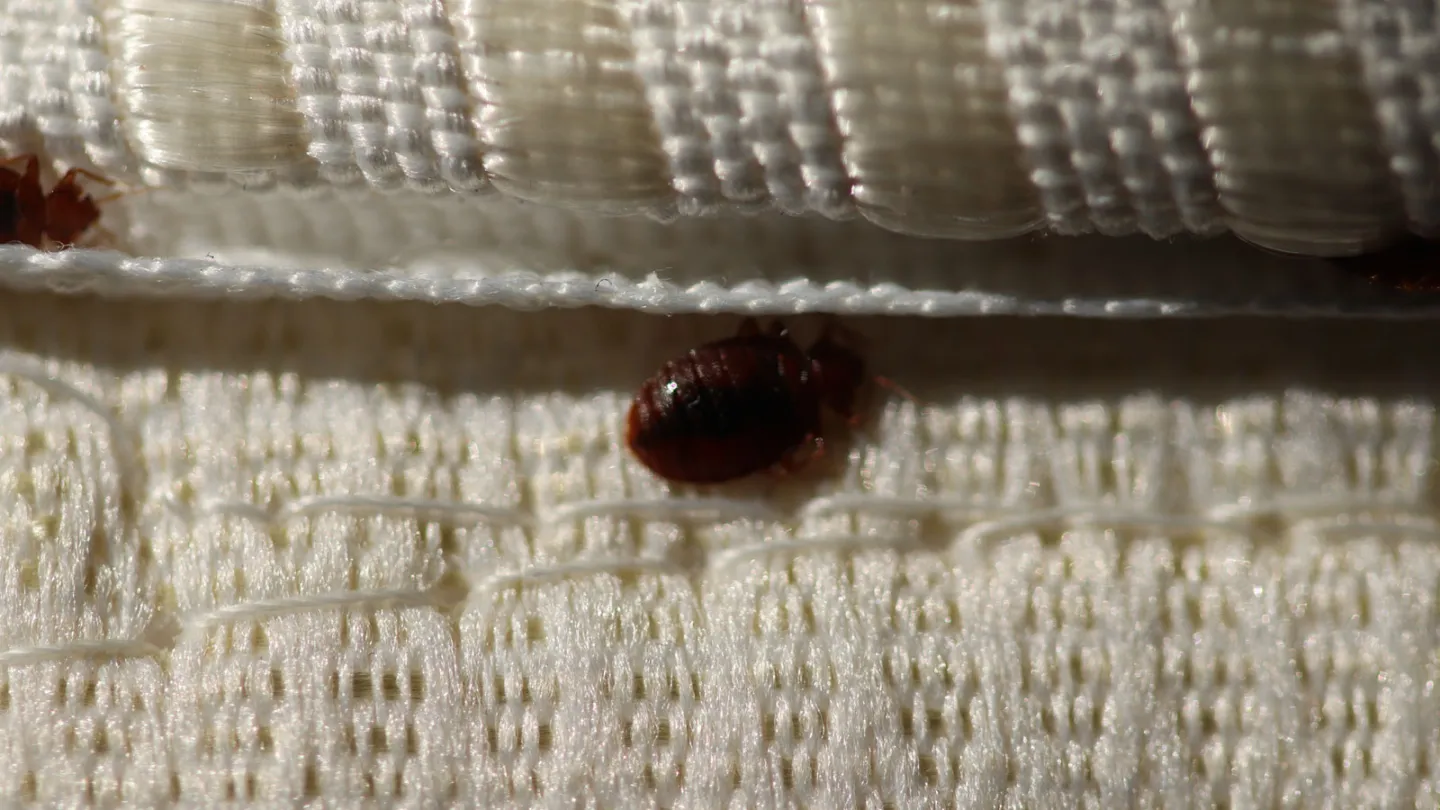
Bed bugs are drawn to warmth, which they associate with their hosts. They often use electrical systems, heating pipes, and other warm surfaces as highways to reach new areas.
Infestations may spread vertically or horizontally along these heat sources. This behavior makes it important to inspect not just living areas, but also structural elements that radiate warmth.
Prevention Strategies
Hostel managers can take proactive steps to reduce the risk of infestations:
-
Regular inspections: Frequent checks of beds, furniture, and shared areas.
-
Mattress encasements: Protective covers prevent bed bugs from nesting in mattresses.
-
Heat treatments: Washing bedding in high temperatures or using professional heat treatments to kill all life stages.
-
Staff training: Educate employees to recognize early signs of bed bugs and respond quickly.
Residents can also limit the spread of bed bugs by:
-
Sealing wall cracks and gaps: Block structural pathways used by bed bugs to move between units.
-
Minimizing clutter: Reduce hiding spots in bedrooms, closets, and storage areas.
-
Monitoring with traps: Install bed bug interceptors under bed legs to detect early infestations.
Travelers who stay in hostels or other shared accommodations should:
-
Inspect beds and furniture: Check for small brown stains, shed skins, or live bugs.
-
Keep luggage elevated: Use racks or hard surfaces instead of placing bags on beds or floors.
-
Wash clothes on high heat: Heat kills bed bugs and prevents hitchhiking infestations.
Conclusion
Bed bugs spread rapidly in hostels and apartments due to a combination of high human turnover, close proximity of hosts, shared furniture, and structural pathways. Limited awareness, delayed detection, and budget constraints further exacerbate the problem.
Preventing bed bug infestations requires cooperation, vigilance, and proactive measures from everyone involved, from hostel staff to apartment residents and travelers alike. With the right strategies, the spread of these persistent pests can be significantly reduced.