
Mosquitoes are a common and persistent problem in many parts of Kenya, especially during the rainy seasons when standing water and warm temperatures create ideal breeding conditions. Beyond the constant irritation of bites, mosquitoes pose serious health risks by spreading diseases such as malaria and dengue. Keeping your compound mosquito-free is therefore essential for protecting your family’s health and comfort. In this article, we explore How to Prevent Mosquitoes in Your Compound in Kenya using practical, effective, and locally relevant strategies.
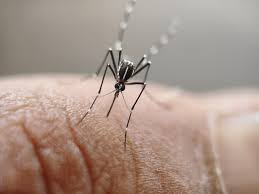
How do Mosquito Behave
To effectively control mosquitoes, it’s important to understand their behavior and habits. Kenya is home to several mosquito species, each with unique characteristics:
- Anopheles: These mosquitoes are the primary carriers of malaria. They prefer clean, stagnant water for breeding and are most active during dusk and nighttime.
- Aedes: Responsible for dengue fever, chikungunya, and Zika, Aedes mosquitoes thrive in small containers of water around homes and are mainly active during the day, especially in the early morning and late afternoon.
- Culex: Common nuisance mosquitoes that can transmit diseases like West Nile virus, Culex species breed in dirty or polluted water such as clogged drains or septic tanks and are usually active at night.
How to Prevent Mosquitoes in Your Compound in Kenya
Eliminate Standing Water
Mosquitoes need water to breed, so removing or managing standing water is one of the most effective ways to prevent infestations. Key steps include:
- Empty containers such as old tires, buckets, plant saucers, and any other receptacles that can collect water.
- Clean gutters and drains regularly to prevent water accumulation that can serve as breeding sites.
- Cover water storage tanks properly with tight-fitting lids or screens to prevent mosquitoes from accessing water surfaces.
Even small amounts of water can support mosquito breeding, so consistent vigilance is essential to reducing mosquito populations around your home.
Maintain Your Compound
A well-maintained compound can significantly reduce mosquito breeding and resting sites. Simple landscaping and housekeeping practices make a big difference:
- Trim grass, bushes, and shrubs regularly, as dense vegetation provides shelter for adult mosquitoes.
- Remove piles of debris, wood, or garbage, which can collect rainwater and serve as hidden breeding spots.
- Ensure proper drainage throughout the property to prevent water from pooling in low-lying areas or around foundations.
Consistent maintenance not only lowers mosquito populations but also improves the overall hygiene and appearance of your home.
Use Physical Barriers
Physical barriers are a first line of defense against mosquito bites, providing protection without relying on chemicals:
- Install mosquito nets on windows, doors, and beds to prevent mosquitoes from entering living spaces.
- Use mesh covers on water storage containers to block mosquitoes from laying eggs.
- Consider screened verandas or patios, which allow you to enjoy outdoor areas safely without exposure to mosquito bites.
By combining these barriers with environmental management, you can create a safer, mosquito-free environment for your family.
Apply Chemical Prevention Methods Safely
Chemical interventions can be highly effective in controlling mosquito populations, but safe use is essential to protect your family and the environment:
- Indoor insecticide sprays: Use approved household sprays in corners, under furniture, and near entry points to target resting mosquitoes. Always follow the manufacturer’s instructions and ventilate rooms afterward.
- Mosquito repellents for skin: Apply DEET, picaridin, or natural-based repellents on exposed skin when outdoors, especially during peak mosquito activity times.
- Outdoor fogging or professional treatments: In areas with heavy infestations, professional fogging or spraying may be necessary. Ensure that trained personnel conduct these treatments and that people and pets stay away from treated areas until it is safe to return.
Introduce Natural Deterrents
For a more eco-friendly approach, natural deterrents can complement chemical and environmental methods:
- Plant mosquito-repelling plants such as citronella, lemongrass, lavender, and marigolds around homes and patios. Their scents naturally deter mosquitoes.
- Use natural oils in diffusers indoors to create a mosquito-unfriendly environment. Essential oils like eucalyptus, peppermint, and tea tree can be effective.
- Encourage mosquito predators: Introducing fish such as guppies or goldfish in garden ponds, or creating bat-friendly spaces, helps control mosquito larvae and reduce adult populations.
Combining these natural methods with proper sanitation and barriers can create a well-rounded mosquito control strategy that is safe for families and the environment.
Community and Neighborhood Actions
Mosquito control is most effective when the entire community participates. Individual efforts can be undermined if nearby areas remain breeding grounds. Key community actions include:
- Coordinate with neighbors to identify and eliminate potential breeding sites in yards, gardens, and communal areas.
- Report stagnant water in public areas such as drainage ditches, construction sites, and parks to local authorities for timely intervention.
- Participate in local mosquito control initiatives, including neighborhood clean-ups, awareness campaigns, and community spraying programs.
A collaborative approach ensures a larger impact, reducing mosquito populations and lowering the risk of disease transmission across the community.
Regular Monitoring and Maintenance
Consistent monitoring and maintenance are crucial to prevent mosquito populations from rebounding:
- Check your compound weekly for new sources of standing water, debris, or dense vegetation that may serve as mosquito habitats.
- Replace water in birdbaths, pet bowls, and flower vases regularly, ideally every few days, to interrupt the mosquito breeding cycle.
- Inspect and maintain nets and barriers, ensuring window and door screens are intact, water tank covers are secure, and outdoor structures remain properly screened.
Routine vigilance helps sustain the benefits of your mosquito control efforts and keeps your home and neighborhood safer year-round.
Conclusion
Effective mosquito control in Kenya requires a multi-layered approach that combines environmental management, physical barriers, chemical prevention, natural deterrents, and community cooperation. By understanding mosquito behavior and eliminating breeding sites both at home and in public spaces, households can significantly reduce the risk of malaria, dengue, and other mosquito-borne diseases.
Regular maintenance, vigilant monitoring, and safe use of repellents or insecticides ensure that mosquito populations remain under control. When families, neighbors, and local authorities work together, the impact is even greater, creating healthier, more comfortable living environments. Taking proactive steps today not only protects your health but also fosters a safer, more pleasant community for everyone.