
In recent years, many homeowners and business owners have turned to DIY pest control as a cost-saving solution. With online guides, tutorials, and store-bought products widely available, it’s tempting to try handling infestations without professional help. However, DIY pest control is often trickier than it seems. Mistakes are common and can lead to incomplete treatments, recurring infestations, and even health or property risks. Understanding these pitfalls is crucial for anyone considering a do-it-yourself approach.
Top Mistakes People Make When DIY-ing Pest Control
Using the Wrong Products
One of the most common mistakes in DIY pest control is choosing the wrong product for the specific pest. Different pests require different treatment approaches—what works for ants may have no effect on termites or rodents. Many over-the-counter products also have limited effectiveness, especially against larger or more established infestations. Using the wrong product not only wastes money but can also allow the pests to multiply, making the problem harder to solve later.
Incorrect Application of Chemicals
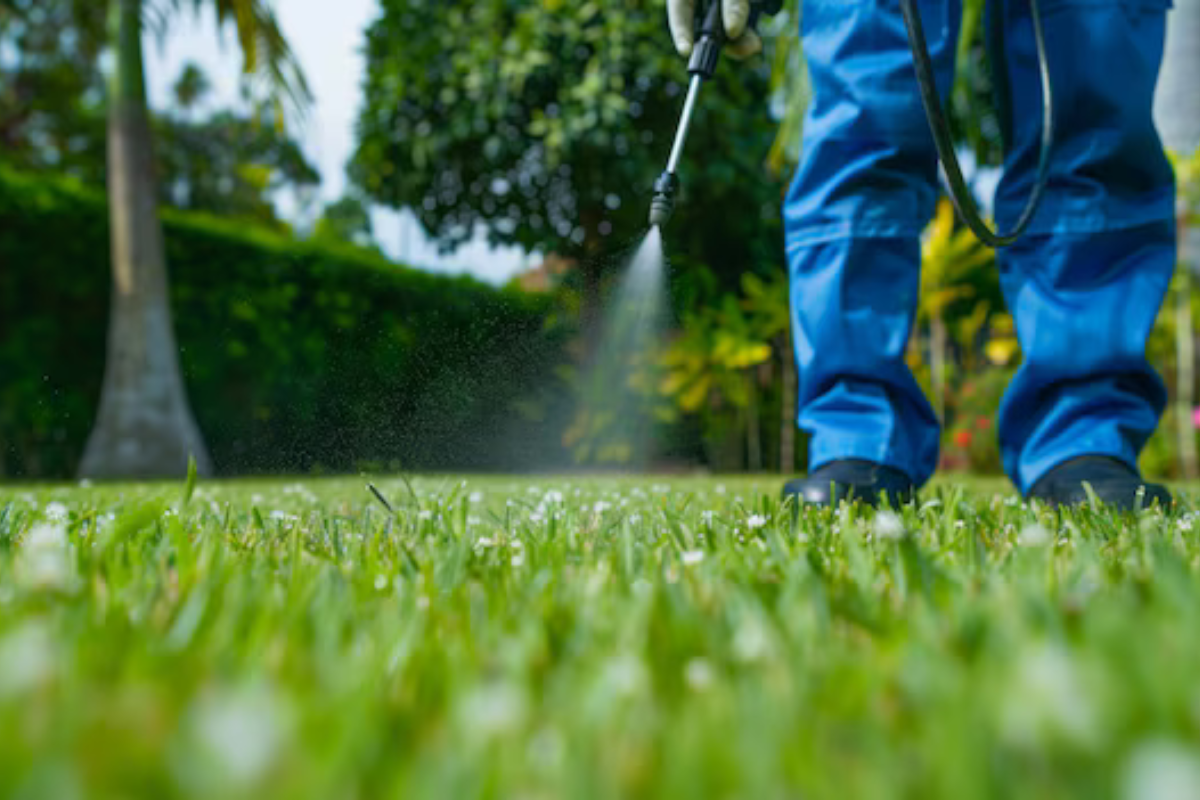
Even the right product can fail if it’s applied incorrectly. Homeowners often make mistakes such as using too much or too little of a pesticide, which can either damage property and harm people or fail to control the pests. Spraying chemicals in the wrong areas—like surfaces where children or pets frequently touch—can pose serious health risks. Additionally, ignoring safety guidelines, such as wearing protective gear or ensuring proper ventilation, increases the risk of accidental poisoning or chemical exposure. Proper application is just as important as choosing the right product.
Misidentifying the Pest
A critical mistake in DIY pest control is misidentifying the pest. Different species have unique behaviors, hiding spots, and vulnerabilities. Treating the wrong pest can result in wasted time, ineffective treatments, and a prolonged infestation. For example, confusing termites with carpenter ants may lead to applying the wrong products, allowing the real problem to worsen. Understanding the exact pest species is essential to target the infestation effectively.
Treating Visible Pests Only
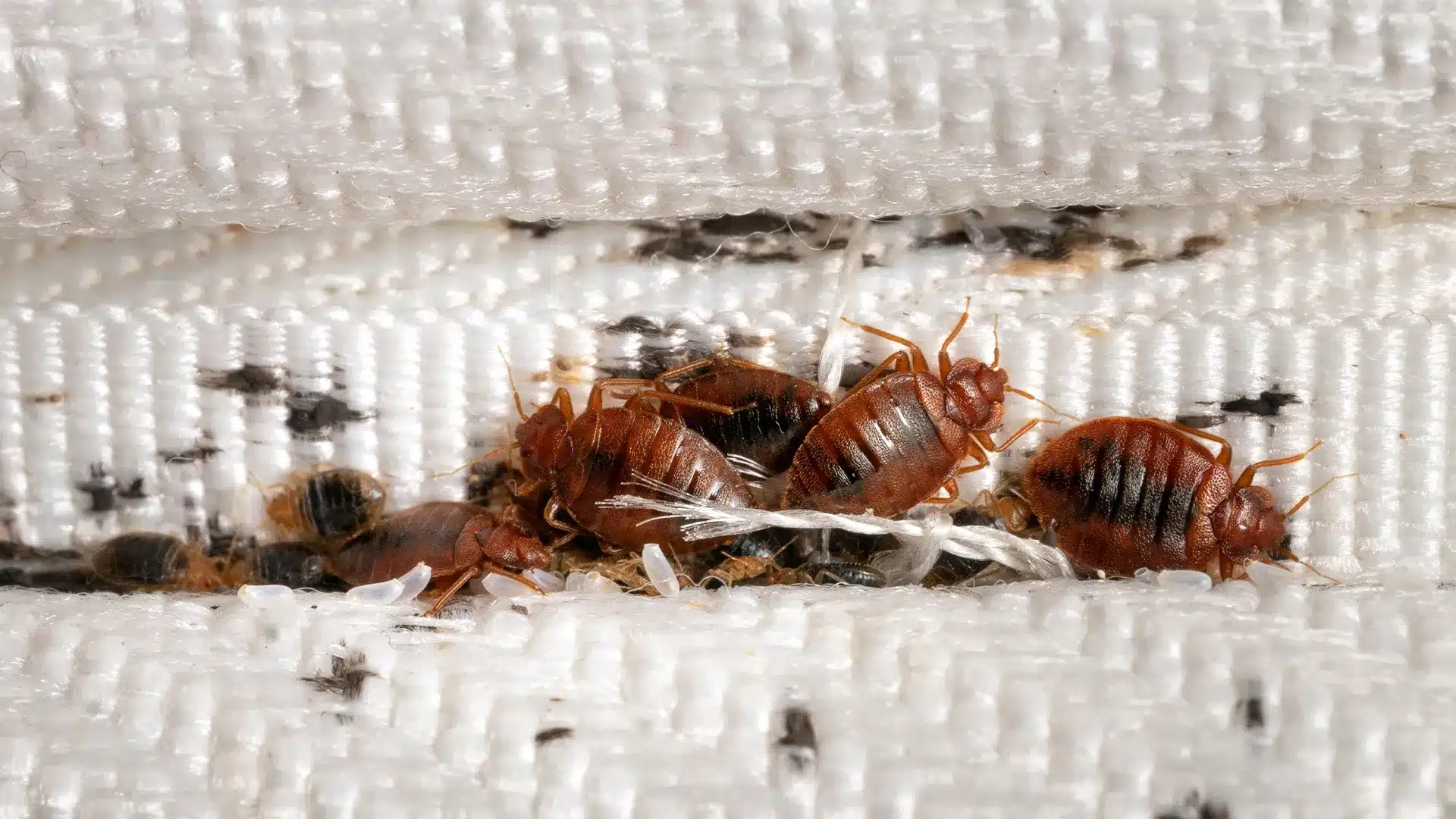
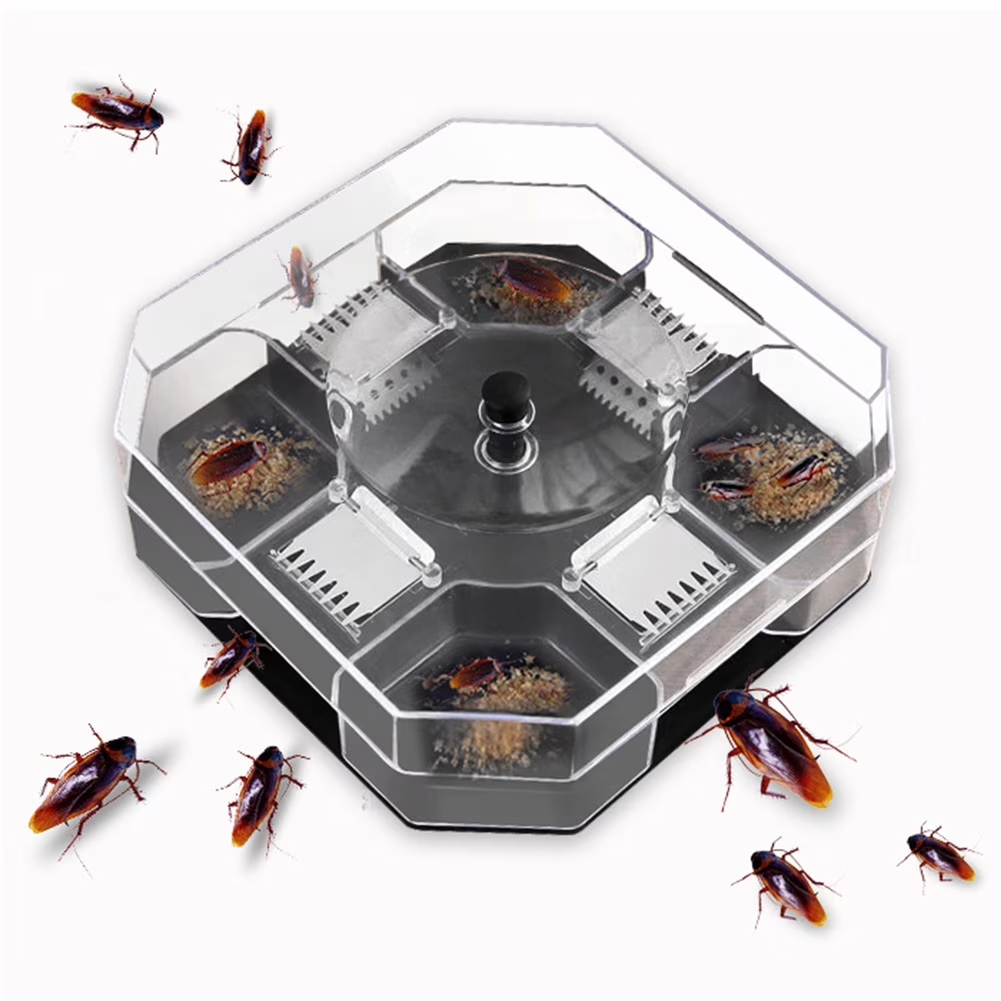
Many DIY enthusiasts focus solely on the pests they can see, such as ants on a countertop or cockroaches in the kitchen. However, pests often have hidden nests, colonies, or breeding areas where they reproduce. Treating only the visible pests addresses symptoms, not the root cause. Ignoring these hidden sources means the infestation is likely to return, sometimes worse than before. Effective pest control requires a comprehensive approach that targets both the pests and their habitats.
Delaying Professional Help
Another frequent DIY mistake is waiting too long before seeking professional assistance. Many homeowners attempt to handle infestations on their own until the problem becomes severe. By then, the pests may have spread extensively, making treatment more difficult and costly. Early intervention from trained pest control experts can prevent damage, reduce health risks, and save both time and money.
Relying on Home Remedies That Don’t Work
Home remedies are popular for their affordability and ease of use, but they often fail to solve serious infestations. Myths like using vinegar, bleach, or certain herbs may reduce minor pest activity temporarily, but they rarely eliminate an entire colony or address underlying causes. Relying solely on these remedies can give a false sense of security, allowing the infestation to worsen. Knowing when natural or DIY methods are insufficient is crucial to protecting your home effectively.
Not Following Up After Initial Treatment
Treating pests once and assuming the problem is gone is a common DIY mistake. Many homeowners fail to reapply products as recommended, skip follow-up inspections, or neglect monitoring for new pest activity. Without proper follow-up, remaining pests can quickly rebound, rendering initial efforts ineffective. Consistent monitoring and timely reapplication are key to ensuring long-term control.
Poor Sealing and Sanitation Practices
Even the best pest treatments can fail if entry points and attractants are ignored. Leaving gaps in walls, doors, or windows allows pests easy access. Unaddressed food crumbs, standing water, or damp areas create ideal breeding grounds. Simple cleanliness mistakes can inadvertently encourage pests, undermining all control efforts. Proper sealing and sanitation are critical components of successful pest management.
Overlooking Safety Risks
DIY pest control can pose serious safety hazards if precautions are ignored. Exposure to toxic chemicals may harm humans, pets, and wildlife. Incorrect storage of pesticides can lead to accidental poisoning, while improper handling may cause respiratory or skin injuries. Always follow label instructions, use protective gear, and store chemicals safely to minimize risks. Safety should be a top priority in every pest control effort.
When DIY Is Not Enough
While DIY pest control can handle minor problems, there are situations where professional intervention is essential. Understanding when to call in experts can save time, money, and prevent further damage.
Severe Infestations
One of the most common signs that DIY efforts are insufficient is the presence of a severe infestation. If pests are multiplying rapidly, spreading to multiple areas, or causing structural damage, home remedies and over-the-counter products are unlikely to be effective. Examples include termite colonies in walls, extensive rodent infestations, or large-scale cockroach problems. In these cases, professionals have access to specialized equipment and stronger, targeted treatments to eliminate pests completely.
Hidden Nests and Complex Habitats
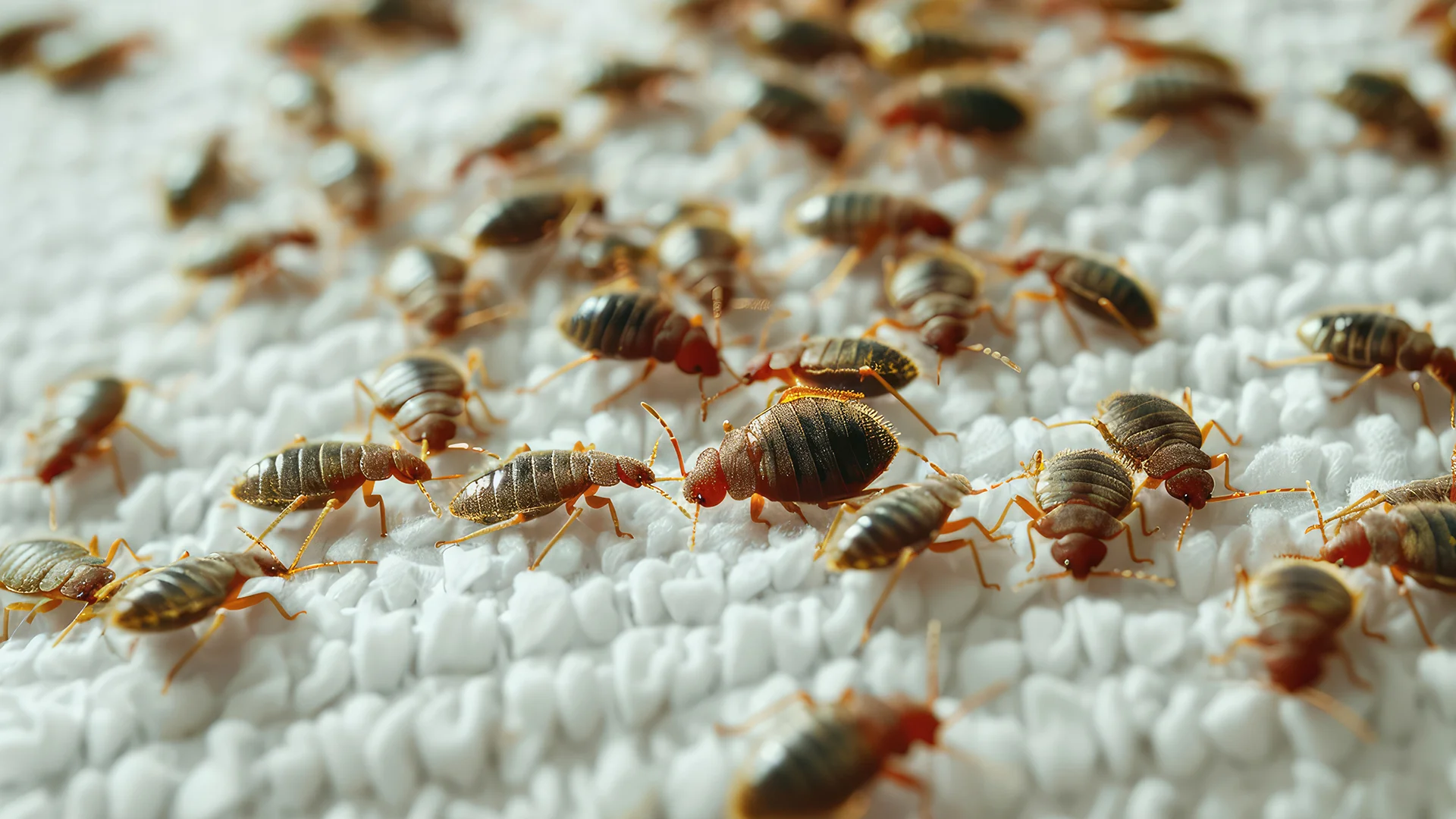
Some pests, such as bed bugs, termites, or certain rodents, hide in hard-to-reach areas. Misidentifying the infestation or failing to locate these nests can render DIY treatments ineffective. Professional pest controllers are trained to inspect and identify hidden breeding sites. Their expertise ensures that the treatment reaches the root of the problem, not just the visible pests.
Resistant or Hard-to-Control Species
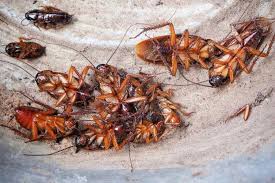
Certain pests are naturally resistant to common DIY chemicals or home remedies. For instance, some ant and cockroach species develop immunity to standard sprays, making repeated DIY attempts ineffective. Professionals use advanced, scientifically formulated solutions that target resistant pests while minimizing risk to humans and pets.
Benefits of Expert Inspection and Treatment
Hiring trained professionals provides several advantages:
- Thorough Inspection: Experts can detect early signs of infestation that are often missed by homeowners.
- Tailored Treatment Plans: Professionals design solutions specific to the pest type and level of infestation.
- Safety: Proper handling of chemicals reduces risks to your family, pets, and property.
- Long-Term Prevention: Experts can offer advice and solutions to prevent future infestations.
Recognizing when DIY methods fall short is key to maintaining a safe and pest-free environment. In many cases, early professional intervention can prevent minor issues from escalating into costly, damaging problems.
Conclusion
While DIY pest control can be helpful for minor issues, it comes with many potential pitfalls. Common mistakes—from using the wrong products to neglecting follow-up—can worsen infestations and create safety risks. Recognizing when professional help is needed, following proper application guidelines, and maintaining good sanitation practices are key to effective pest management. Ultimately, combining careful DIY efforts with expert support ensures a pest-free, safe, and healthy environment.