
Common Pests Found in Office Environments
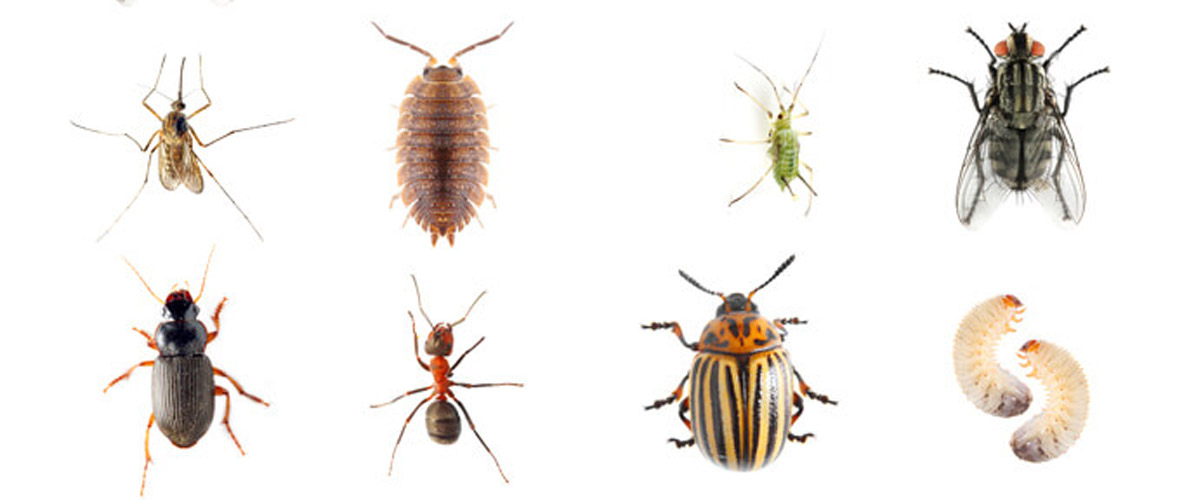
Offices, like any other indoor environment, can attract a variety of pests if preventive measures are not in place. Some of the most common pests include:
- Cockroaches: These insects thrive in warm, damp areas such as kitchens, bathrooms, and storage rooms. They carry bacteria and can contaminate surfaces and food.
- Rodents (Rats and Mice): Rodents are notorious for gnawing on cables, furniture, and documents. They can also spread diseases through droppings and urine.
- Ants: While often considered minor nuisances, ants can contaminate food supplies and establish large colonies if not controlled.
- Termites: Termites target wooden structures, causing serious damage to office furniture, flooring, and building foundations over time.
- Flies and Mosquitoes: These pests are not only irritating but can also carry harmful pathogens, especially around food storage areas and water sources.
Why Offices Need Regular Pest Control Services
Health and Safety Risks Caused by Pests
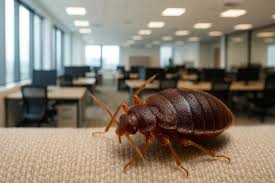
Pests are more than just a nuisance; they pose significant health and safety risks:
- Disease Transmission Risks: Pests such as rodents, cockroaches, and flies can carry bacteria, viruses, and parasites, increasing the likelihood of illnesses spreading among employees.
- Allergies and Breathing Problems: Droppings, shed skin, and body parts from pests can trigger allergic reactions and worsen respiratory conditions like asthma.
- Food Contamination in Office Kitchens: Ants, cockroaches, and rodents can contaminate snacks, beverages, and pantry items, creating an unsafe environment for employees.
Addressing these risks through regular pest control helps maintain a safe, healthy, and productive office space.
Damage to Office Property and Equipment
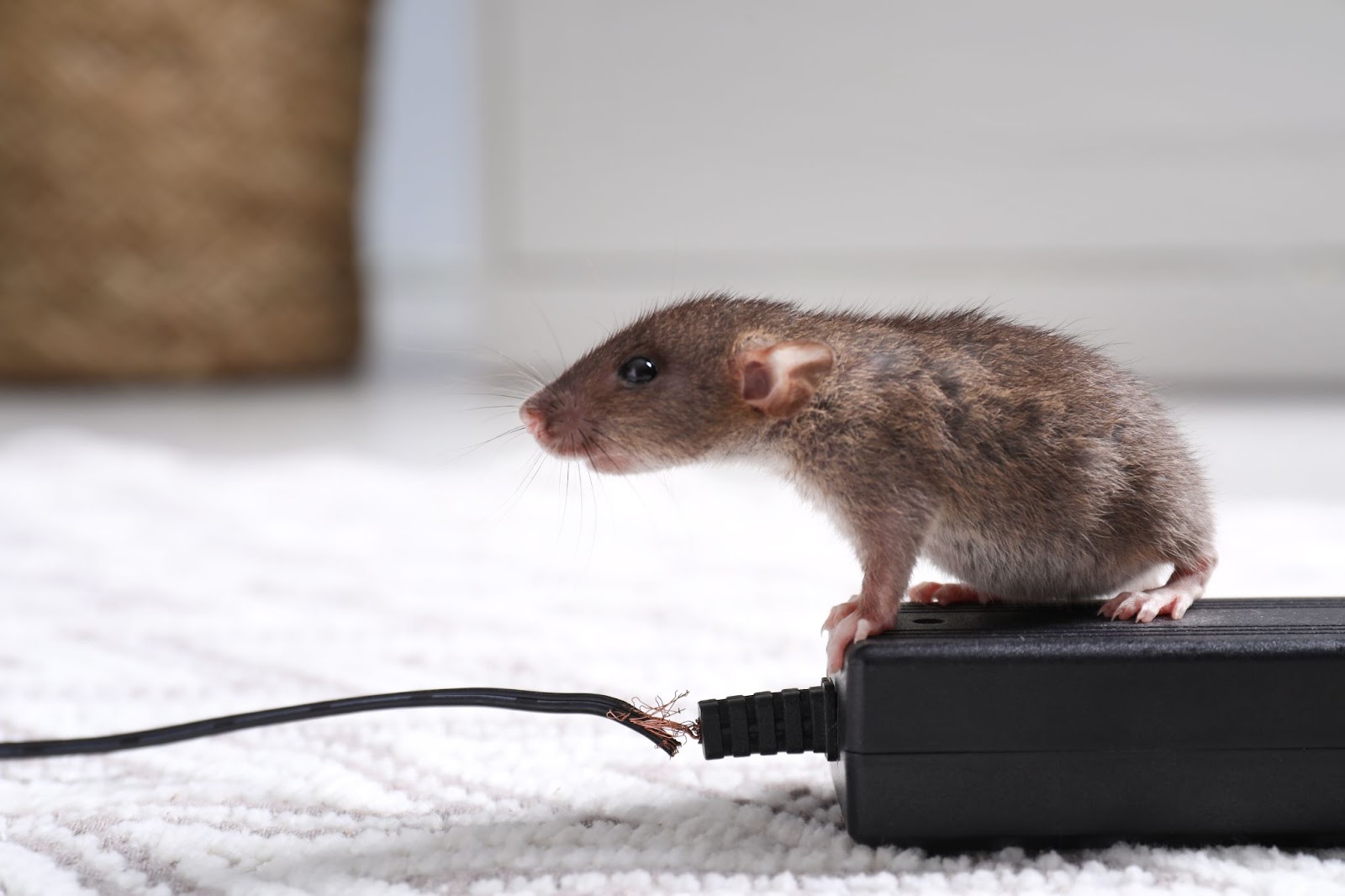
Pests are not only a health concern but can also cause serious damage to office property, leading to increased expenses.
- Rodent Chewing on Cables, Wires, and Electronics: Rats and mice often gnaw on electrical wiring, computer cables, and office equipment, increasing the risk of malfunctions or fire hazards.
- Termite Damage to Furniture and Wooden Structures: Termites can weaken desks, chairs, and wooden fixtures, resulting in costly repairs or replacements.
- Increased Repair and Replacement Costs: Frequent damage caused by pests can accumulate into substantial financial burdens for the office.
Regular pest control helps prevent these problems, protecting both office property and the company’s budget.
How It Impact Employee Productivity and Morale
The presence of pests in the office can directly affect employee performance and workplace morale.
- Distractions Caused by Visible Pests: Seeing cockroaches scuttle across desks or noticing ants in the pantry can disrupt focus and create a sense of unease.
- Stress and Discomfort in the Workplace: Knowing that pests are present can cause anxiety and discomfort, making employees feel unsafe in their own workspace.
- Reduced Focus and Motivation: Persistent pest issues can lower productivity, as employees spend time avoiding affected areas or worrying about contamination.
Overall, a pest-infested office can create a stressful environment that undermines both teamwork and individual efficiency.
Maintaining a Professional Business Image
A pest-free office is essential for creating a professional and trustworthy impression:
- Clean Office Boosts Client Confidence: Visitors and clients notice cleanliness. A well-maintained, pest-free office demonstrates professionalism and attention to detail.
- Preventing Embarrassing Pest Incidents During Meetings: Encountering pests during client meetings or presentations can damage reputation and trust.
- Importance of a Hygienic Working Environment: Maintaining hygiene shows care for employee well-being, which reflects positively on the company culture and brand image.
Regular pest control ensures your office remains a safe and professional space for both employees and clients.
Cost Savings Through Preventive Pest Control
Investing in regular pest management can save significant costs in the long run:
- Early Detection Prevents Expensive Infestations: Identifying and addressing pest activity early reduces the need for costly treatments and repairs.
- Avoiding Downtime Caused by Pest Problems: Severe infestations can disrupt operations, affecting productivity and revenue. Preventive control minimizes these interruptions.
- Long-Term Contracts vs. Emergency Treatments: Scheduled pest control contracts often cost less than emergency interventions and provide ongoing protection for the office environment.
By prioritizing preventive measures, businesses can protect both their finances and operational efficiency.
Legal and Compliance Requirements

Offices are expected to maintain a safe and sanitary environment in line with legal regulations:
- Workplace Health and Safety Rules: Employers are responsible for providing a pest-free environment to protect employee health and comply with safety laws.
- Cleanliness and Sanitation Expectations: Regular sanitation and pest control prevent violations related to hygiene standards.
- Industry-Specific Regulations: Certain sectors, such as food service or healthcare, must adhere to strict pest management regulations to avoid fines or shutdowns.
Failing to comply with these requirements can lead to legal penalties and damage the company’s credibility.
Benefits of Scheduled Pest Control Services

Regularly scheduled pest control offers consistent protection and peace of mind:
- Continuous Monitoring and Quick Response: Routine inspections help detect early signs of infestations, enabling prompt action before problems escalate.
- Custom Treatment Plans for Office Needs: Professional services tailor solutions based on office size, layout, and specific pest risks.
- Eco-Friendly and Safe Pest Control Methods: Modern treatments are designed to minimize environmental impact and ensure the safety of employees and office equipment.
Scheduled services provide a proactive approach, keeping offices healthy, safe, and productive year-round.
How to Choose a Reliable Pest Control Company
Selecting the right pest control provider is crucial for effective and safe management:
- Certifications and Experience: Verify that the company is licensed and has experienced technicians familiar with office environments and various pest types.
- Reputation and Client Reviews: Look for positive feedback from other businesses to ensure the provider delivers consistent, quality service.
- Safety Practices and Products Used: Ensure that the company uses safe, eco-friendly treatments that won’t harm employees, pets, or office equipment.
- After-Service Follow-Up and Guarantees: Reliable companies offer inspections, follow-up visits, and guarantees to confirm that the pest problem has been fully resolved.
Conclusion
Regular pest control is essential for maintaining a safe, healthy, and professional office environment. It protects employees from health risks, preserves office property, and enhances productivity. By choosing a reputable pest control provider and investing in scheduled treatments, businesses can prevent infestations, reduce long-term costs, and maintain a positive image for clients and staff alike. Ultimately, proactive pest management is a smart investment in the success and reputation of any office.